

Biochar in Swiss agriculture – risks and opportunities for soil and climate
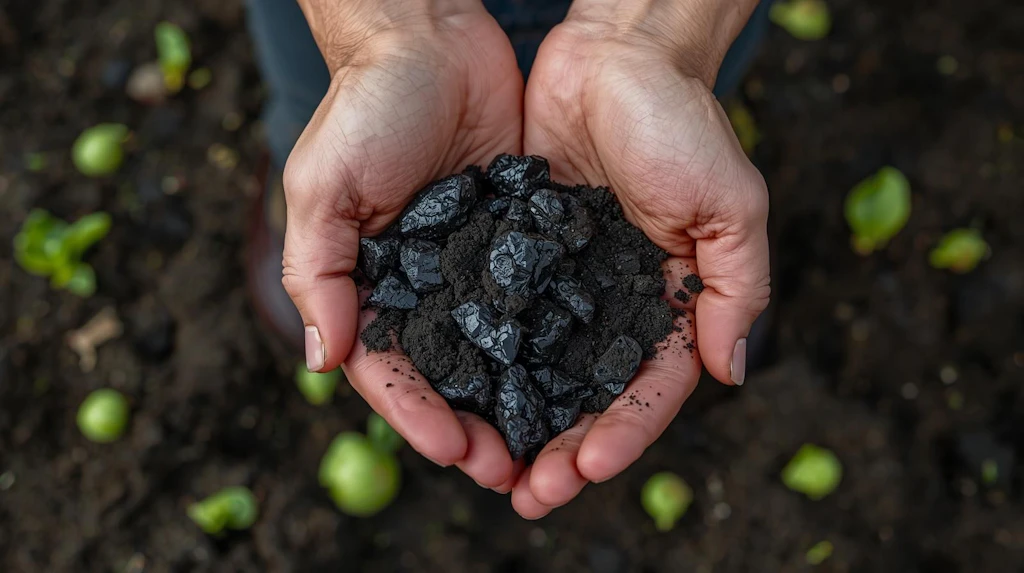
Biochar is produced by carbonising plant biomass in which CO₂ from the air has been captured through photosynthesis. It has the potential to store carbon (C) over the long term. Incorporating biochar into the soil can generate so-called negative emissions. The factsheet ‘Biochar in Swiss agriculture – risks and opportunities for soil and climate’ presents the current state of scientific knowledge together with the current guidelines on the handling of biochar in Switzerland. It is published by the Federal Office for the Environment (FOEN), the Federal Office for Agriculture (FOAG) and the Cercle Sol Working Group on Intervention Values and Risk Assessment (AGIR).
The factsheet is now available in its second, updated edition (in German, French and Italian). This revised version reflects recent changes to the legal framework governing the handling of biochar, as well as findings from recently conducted studies.
Carbon capture, removal and storage: Technologies
Key information in brief
To date, no evidence has been found to suggest that the use of biochar in Swiss agriculture leads to increased yields. Long-term effects on soil and soil organisms are still unclear and may be irreversible. Biomass is a valuable raw material, and there is competition for its use. The potential of biochar to mitigate climate change is limited, and its use is generally not economically viable. Widespread use is not recommended until any possible harmful effects can be ruled out. The updated version of the factsheet incorporates changes to the legal framework (section 2), new findings from life cycle assessments (LCAs), and the results from a field trial on the effects of biochar on earthworms (section 3).