

Who is particularly affected by climate change in Switzerland?
A new study by the Infras research institute, commissioned by the Federal Office for the Environment (FOEN), provides the first comprehensive analysis of which people in Switzerland are particularly affected by the effects of climate change and why.
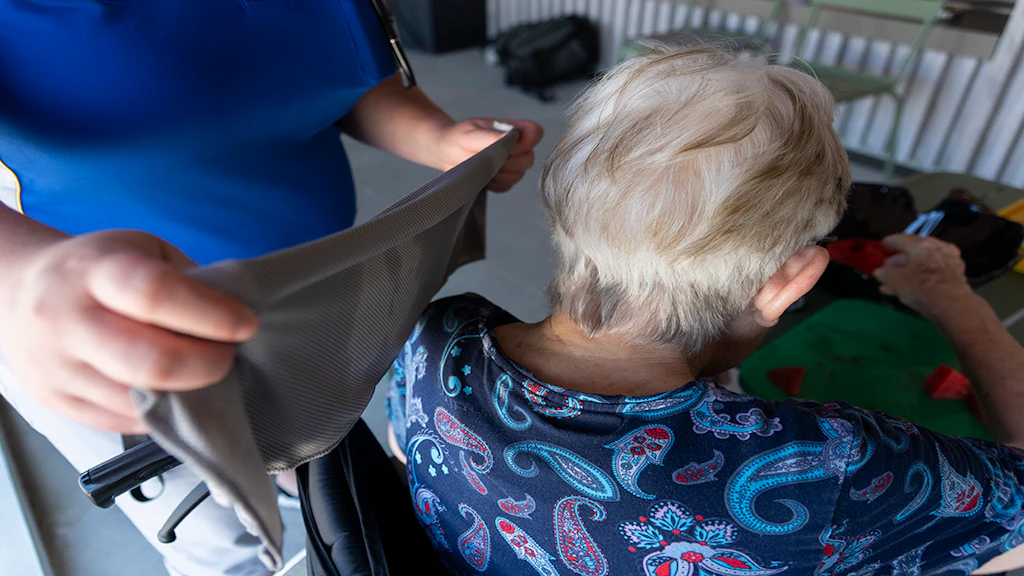
Climate change affects everyone, but not to the same extent. The new study analyses vulnerabilities across five key areas of life: health, personal safety, housing, work and financial security. It reveals that it is not individual factors alone that make people particularly vulnerable to climate change, but their combination. For this reason, entire population groups cannot be broadly labeled as “vulnerable”.
Four key risk factors
Across all areas of life, four risk factors stand out: age, poverty, disability and social isolation. These factors make people more vulnerable to climate-related risks and less able to adapt. For example, low-income households are more likely to live in buildings in need of renovation or to be less able to adapt to climate-related price increases for goods and services. People with disabilities often have reduced mobility and are therefore physically more vulnerable to the effects of climate change, depending on the nature and severity of their disability.
Social trends are increasing the pressure to act
Ageing, urbanisation and increasing individualisation are likely to exacerbate existing vulnerabilities in the future. Switzerland has a high level of resilience to climate change by international standards, thanks to its well-developed civil protection system, extensive insurance coverage and robust healthcare system. Nevertheless, the study recommends that adaptation measures specifically target people who are particularly vulnerable due to their living conditions and therefore have limited scope for action.