

Water ecology in a changing climate
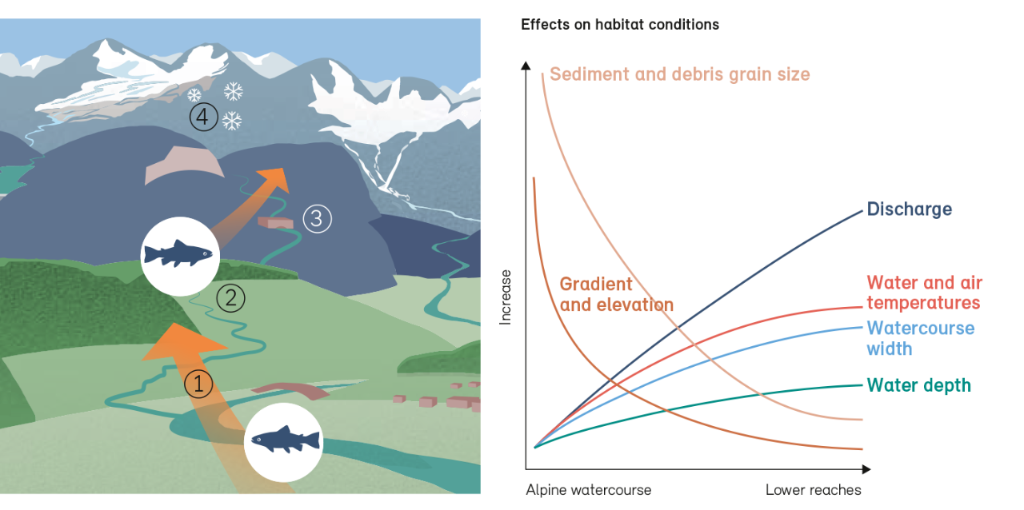
Aquatic organisms are adapted to specific habitat conditions including water temperature, flow rate, depth, structure, chemistry etc. Specialist species can only tolerate small variations in the habitat conditions and live in ecological niches. Generalists are less discriminating and can survive in a broad spectrum of habitats.
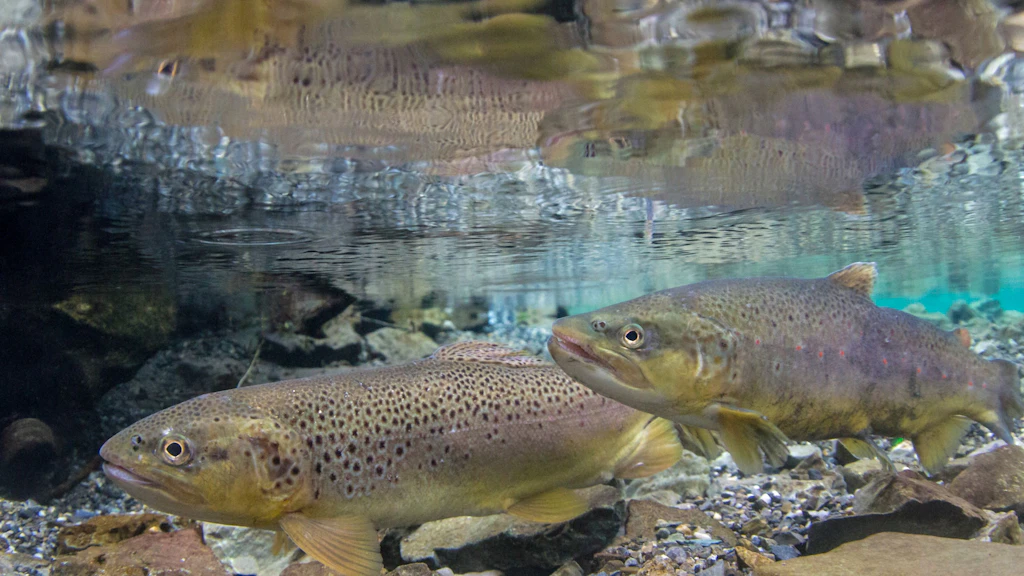
Climate change is altering habitat conditions and thus magnifying the stress already experienced by aquatic ecosystems. The following factors are crucial:
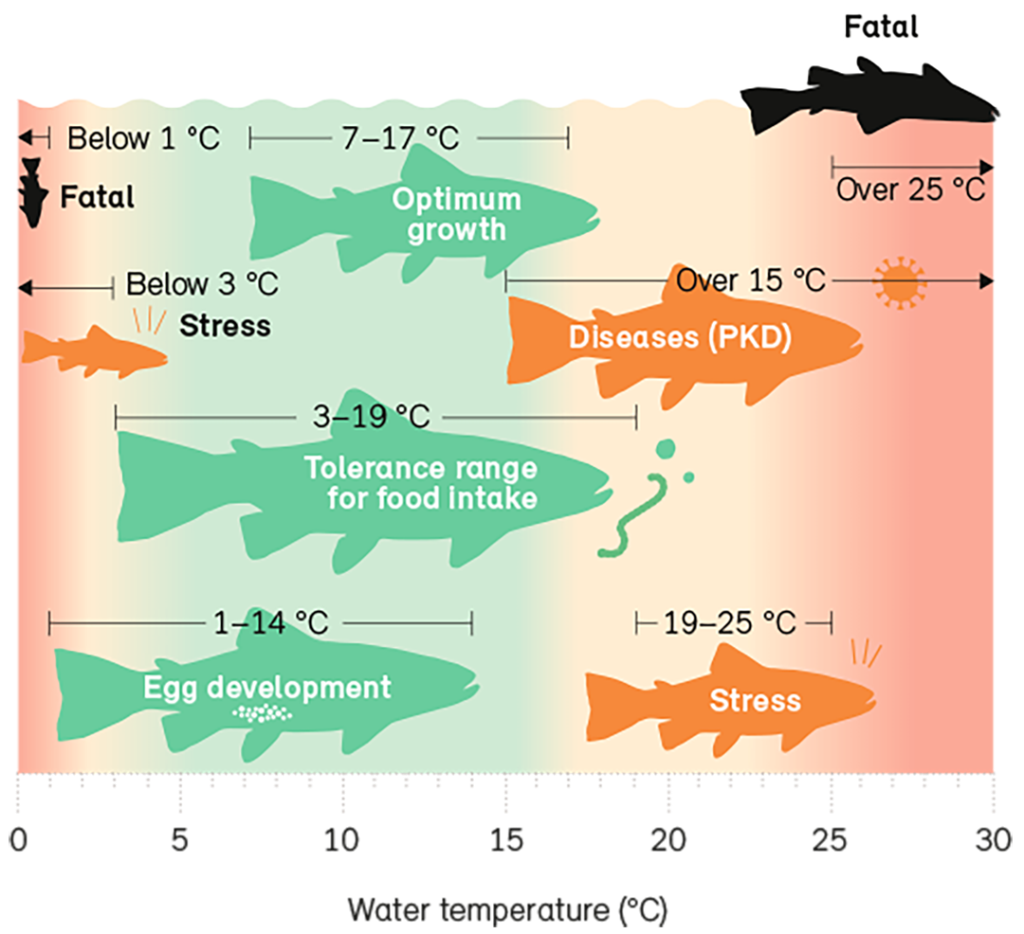
- Change in local habitat conditions: Climate change primarily changes the local habitat conditions directly, mainly through the rise in water temperature, the seasonal shift in runoff and the altered mixing regimes of lakes. By these effects, it removes the ability of the organisms to survive locally. As the water temperature rises, parasitic diseases such as Proliferative Kidney Disease (PKD) become more common among fish.
- Increasing disturbance: Climate change can also upset the balance of the aquatic ecosystem through the increase in temporary disturbances such as heatwaves and drought. If specific tolerance levels are exceeded, drastic changes can occur in some cases in a short time.
- Reduced connectivity: Climate change reduces the ecological connectivity along the watercourse, particularly if it runs dry for the first time or more often or becomes too warm. Good connectivity is important for the survival of many species in response to climate change.
- Change in phenology: Climate change also significantly alters the phenology, which is the time when specific development processes occur over the year. The interactions between different species within an ecosystem can also be perturbed.
- Favouring invasive species: Climate change is adding to this pressure. In addition, the changed conditions will allow invasive, alien species to settle and spread even more successfully.
Thermal requirements of the brown trout
.png?w=1024&auto=format)
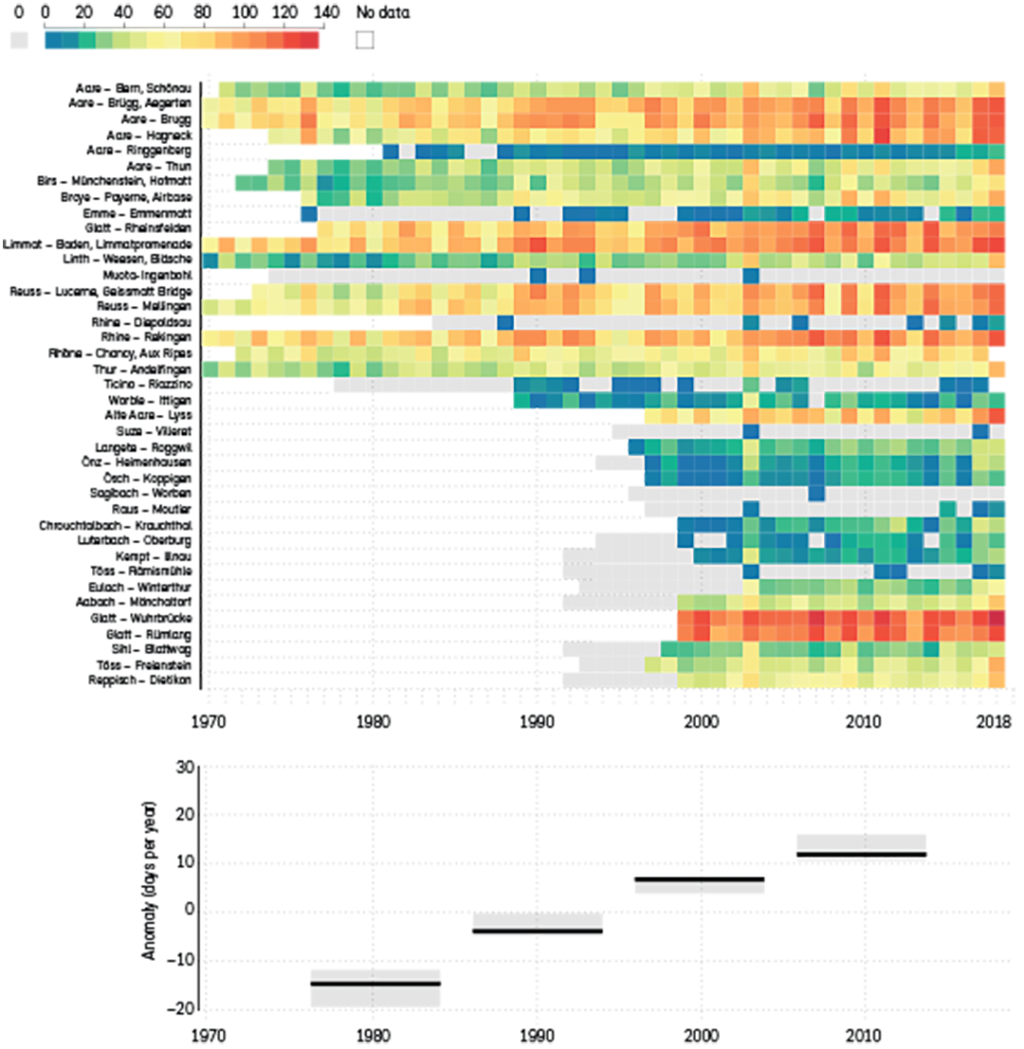
Water temperature of 15 °C exceeded more often
.png?w=1024&auto=format)
It is becoming harder and harder for specialist and cold-adapted (cryophilic) species to survive the pace of climate change. Generalists and warm water species are among the winners. In general, biodiversity is coming under increasing pressure.
Higher water temperatures result in less dissolved oxygen in the water. Bioactivity also increases causing oxygen demand to increase.
Lower water levels in the summer months will cause further increases in water temperature and endanger the survival of some organisms.
.png?w=1024&auto=format)