

Air pollution
Air quality in Switzerland has been steadily improving since the mid-1980s. Levels of sulphur dioxide, nitrogen oxides, volatile organic compounds, carbon monoxide, particulate matter and heavy metals have fallen significantly. However, during winter inversion conditions, particulate matter levels can still exceed the legal limits, and in summer, ozone levels regularly exceed the limit values significantly. Further efforts to reduce air pollutants are needed to protect human health and ecosystems from adverse effects.
Clean air is as essential to plants, animals and humans as clean water and unpolluted soil. As a result of human activities, the air we breathe contains substances that would otherwise be present in small quantities, if at all. Every year, large quantities of gases, aerosols and dust particles are released into the atmosphere. These emissions of air pollutants and contaminants can cause significant and lasting harm to people and their environment, both near the sources of pollution and far away.
Air quality: data
Real time and historical data of the National Air Pollution Monitoring Network (NABEL), as well as of cantonal and urban monitoring networks
Fine particles
Air pollution with tiny dust particles (PM10 and PM2.5) has a major impact on human health and is a challenge for Swiss air pollution control policy. Particularly in winter, high levels of particulate matter can occur in weather conditions with little exchange.
Ozone - Summer smog
Sunny periods during summer without wind cause increasing ozone concentrations. This pollution has negative effects on human health, buildings, materials, and the climate. The policy of the Confederation aims at reducing precursor substances (nitrogen oxides and volatile organic compounds) on the basis of permanent measures.
National Air Pollution Monitoring Network (NABEL)
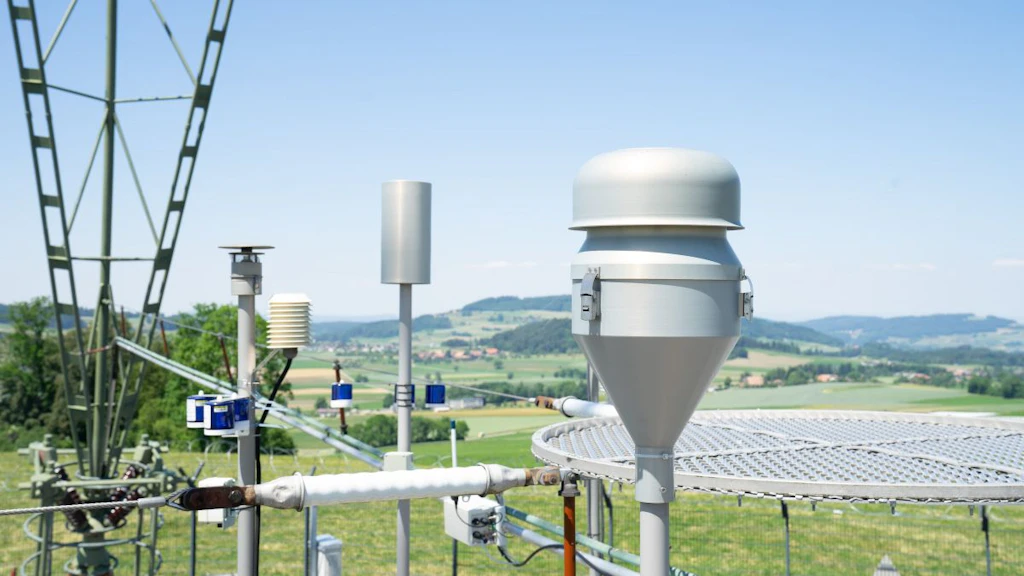
The National Air Pollution Monitoring Network (NABEL) measures air pollution at 16 locations in Switzerland. The stations are distributed throughout the country and monitor pollution at typical locations (e.g. city-centre streets, residential areas, rural stations).