

TFA in rivers and lakes
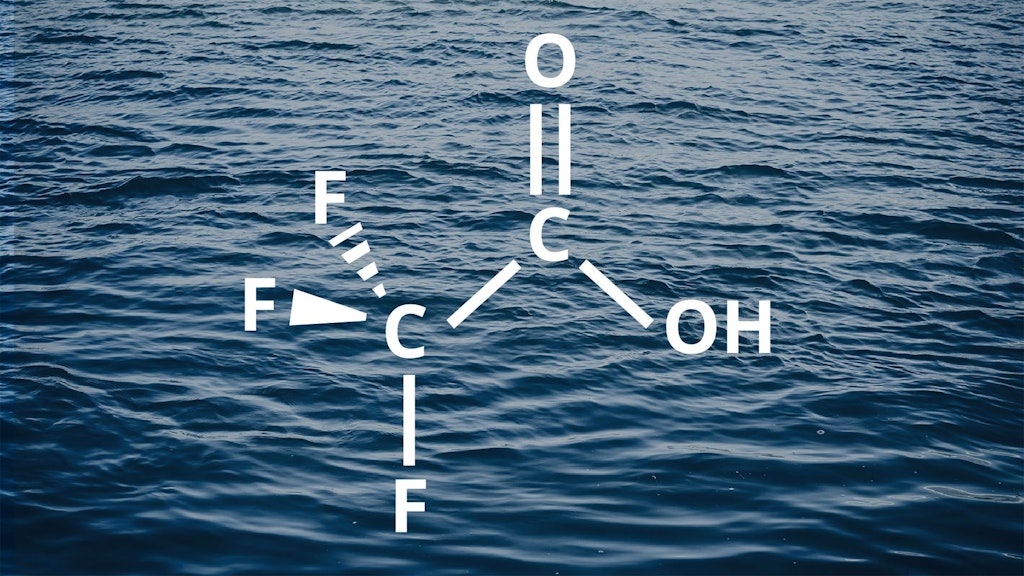
Swiss rivers and lakes contain trifluoroacetic acid, known as TFA. In rivers, concentrations tend to be higher downstream as substances accumulate. Peak concentrations in lakes are often lower than in rivers, as the large volume of water has a diluting effect and many lakes are located further upstream. According to studies of selected Swiss surface waters conducted between 2020 and 2023, over 30 tonnes of TFA flow out of Switzerland every year, carried in rivers on their way out to sea. Comparisons with archive samples also show that TFA concentrations have risen by a factor of six compared to the 1980s and 1990s.
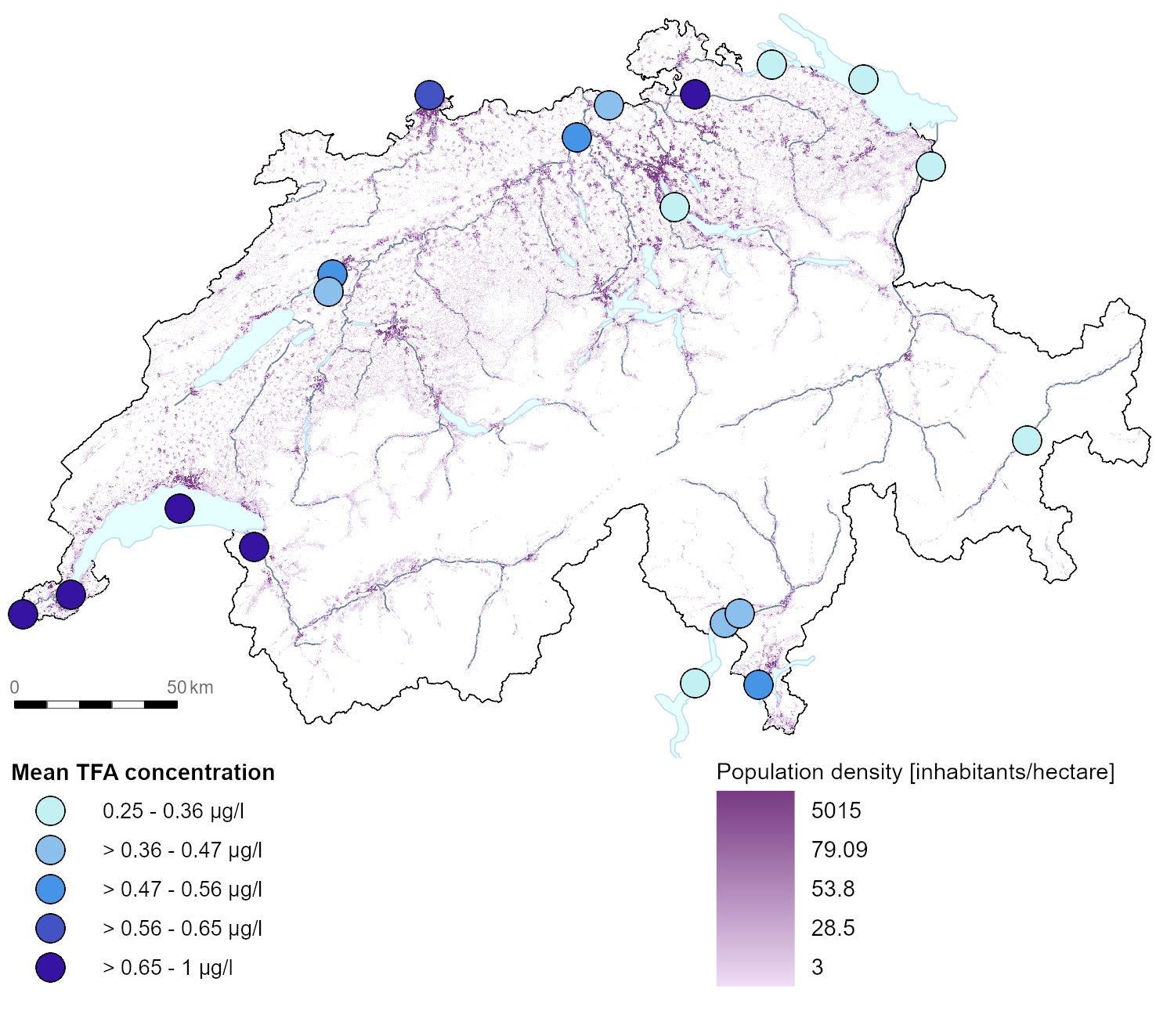
TFA concentrations in rivers and lakes, 2020–2023
Measurements were carried out in rivers and lakes in the catchment areas of the Rhine, Rhone and Inn, including several tributaries such as the Aare. These are the most important river catchment areas in Switzerland (see figure). Lakes including Lake Geneva, Lake Constance and Lake Zurich were also sampled.
.jpg?w=1024&auto=format)
The TFA concentrations in the rivers were between 0.21 μg/L and 2.8 μg/L, with an increase in TFA concentrations being observed downstream in each case. This increase reflects the discharge of industrial and household wastewater. The Rhone, the Thur and the Rhine downstream of Basel had high TFA concentrations (mean: 0.8 to 0.88 μg/L), while the lowest values were found in the Inn at S-chanf (mean: 0.33 μg/L).
TFA concentrations in lakes were between 0.22 and 0.54 μg/L. Significantly higher concentrations were found only in Lake Geneva (around 1 μg/L), but this value is heavily influenced by past inputs due to the lake's long water residence time of more than ten years.
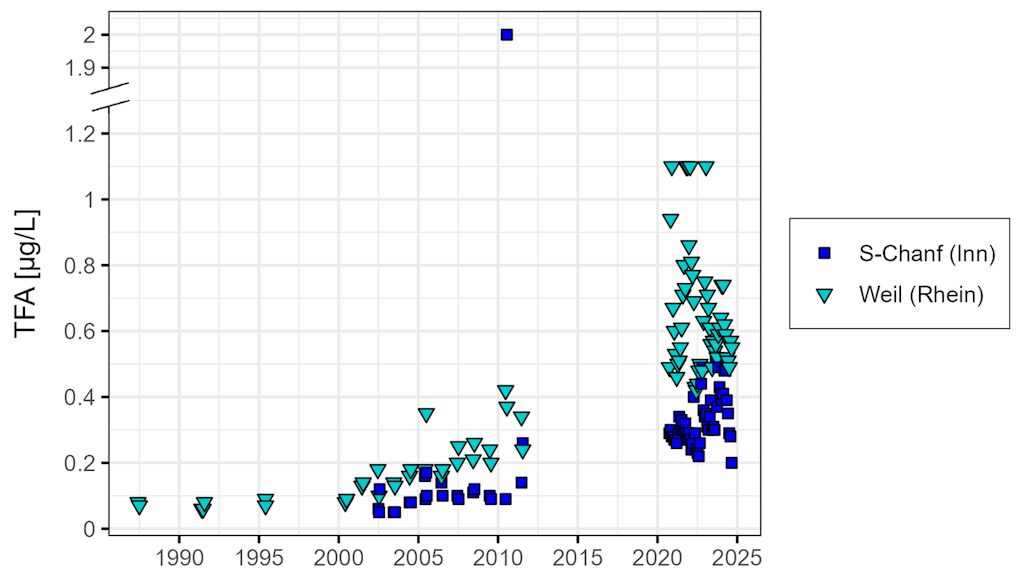
TFA concentrations in archive samples since 1987
Archive samples of river water taken from individual sites between 1987 and 2011 were also analysed for TFA. Compared to the TFA concentrations seen in samples from the 1980s and 1990s, more recent samples show sharp rises. Concentrations have increased more quickly in rivers and lakes (a factor of six) than in precipitation (a factor of four), which may be due to the fact that rivers and lakes also contain TFA from industrial and other sources.
.jpg?w=1024&auto=format)
.jpg?w=1024&auto=format)
.jpg?w=1024&auto=format)
.jpg?w=1024&auto=format)
TFA loads in rivers
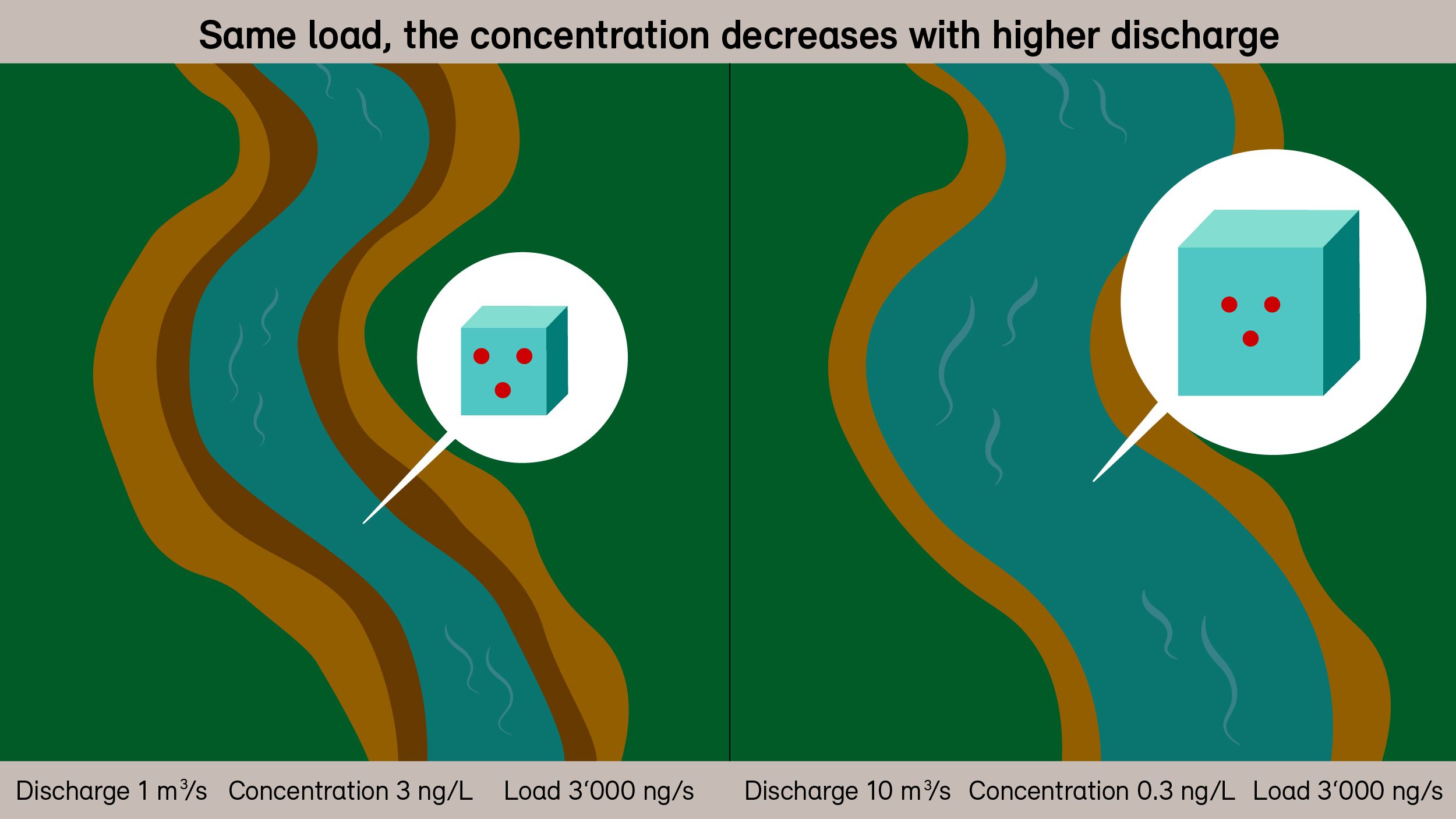
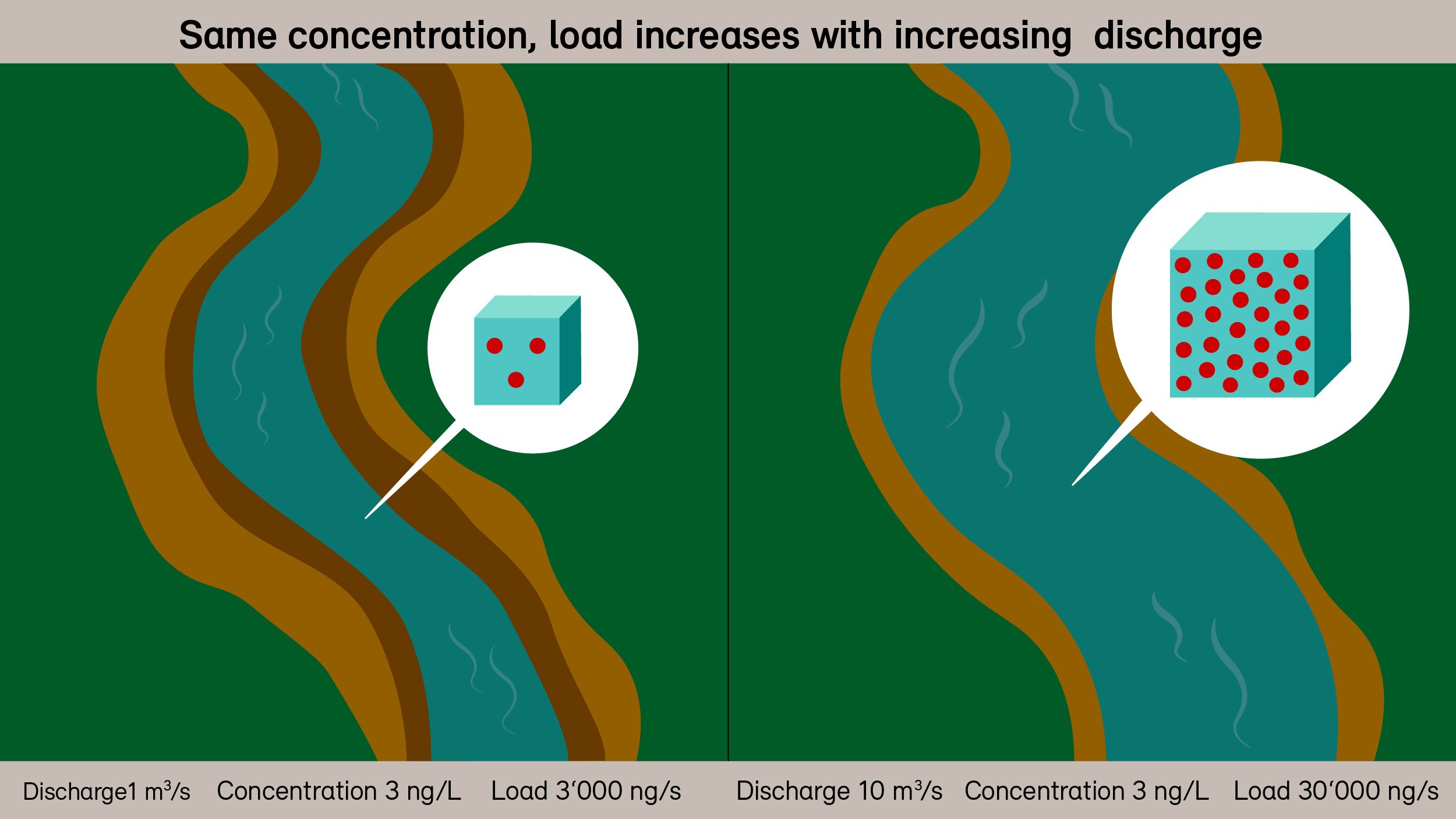
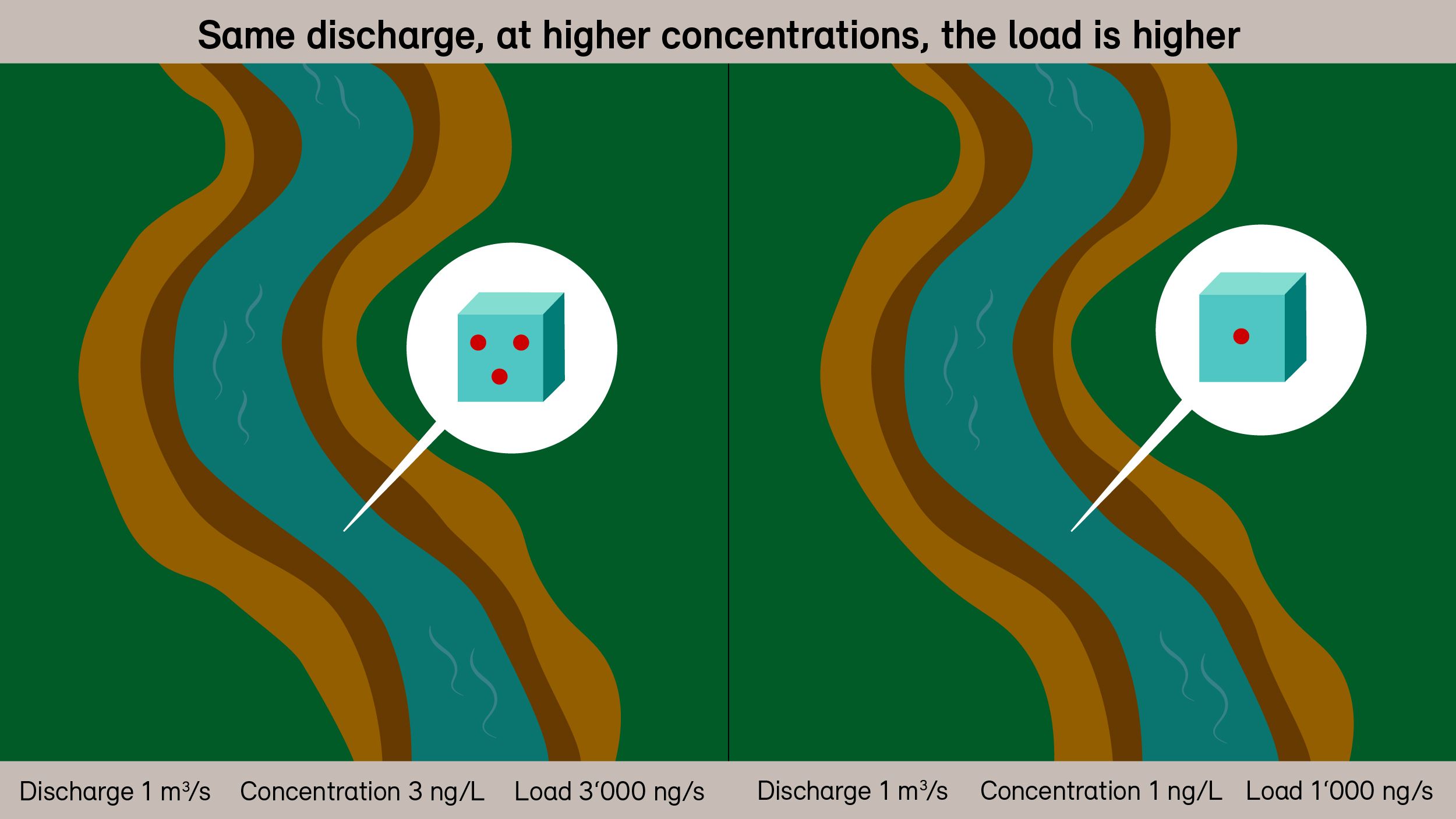
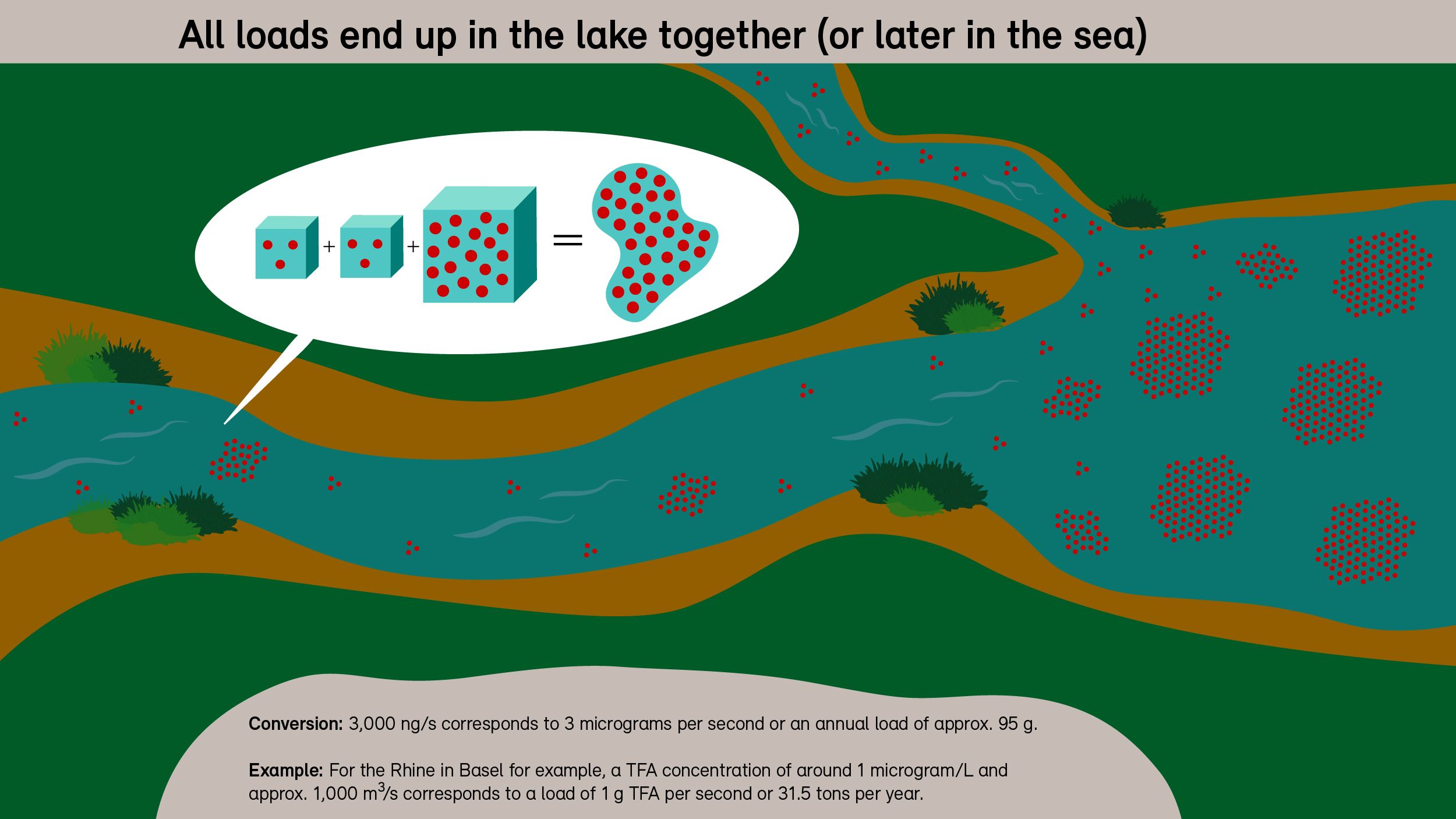
Similar to concentrations, load levels also increase along the path of a river, with the highest loads found at the outlets of the catchment areas. Every year, more than 30 tonnes of TFA flow out of Switzerland in its rivers on their way out to sea. The highest loads are carried by the Rhine (20 tonnes) and the Rhone (8 tonnes).
Here are a few more figures to compare with these loads in rivers:
- TFA from the air is deposited onto the ground via precipitation. The annual amount of TFA deposited across Switzerland has been estimated at around 25 tonnes, based on measurements.
- A further three to ten tonnes per year may be released into the Swiss environment through the degradation of plant protection products. There are also other possible sources of TFA that cannot be quantified in more detail yet.
TFA has also been detected in groundwater:
In collaboration with the FOEN and the University of Bern, researchers of the Swiss Federal Laboratories for Materials Testing and Research Empa have investigated how TFA is formed in the atmosphere and enters water bodies via precipitation: